
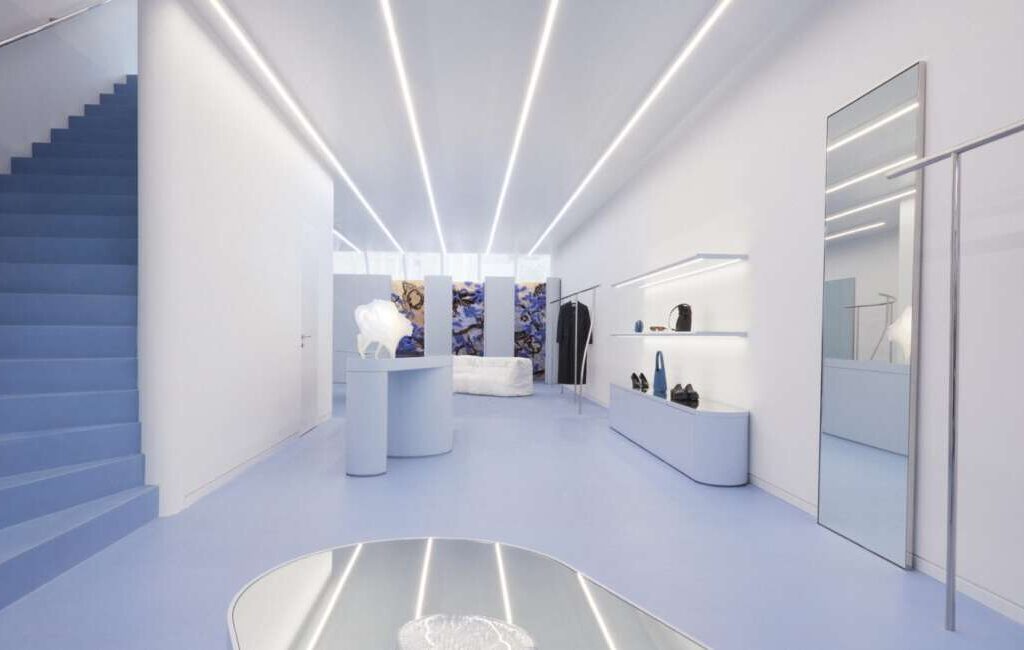
Linear lighting has redefined the way we design and experience interiors. Sleek, contemporary, and versatile, these fixtures offer a uniform glow that eliminates dark spots and enhances both aesthetics and functionality. Let’s break down what makes linear lighting a game-changer, its evolution, benefits, and where it shines the most.
What Exactly Is Linear Lighting?
Unlike the conventional round or square ceiling lamps, linear lighting uses long, streamlined fixtures arranged in straight lines or patterns. Whether surface-mounted, recessed into ceilings, or suspended with cables, these lights bring a clean and modern feel to any space.
With LED technology leading the way, linear lights now deliver more than just good looks:
- They consume less power,
- Last significantly longer,
- Require minimal maintenance.
The result is a consistent, even spread of light that enhances comfort while saving energy.
From Fluorescents to LEDs: A Brief History
The concept of linear lighting isn’t new—it began with the invention of fluorescent tubes in the early 1900s. By the mid-20th century, factories and large commercial spaces had embraced them for their efficiency and coverage.
Fast forward to today, and LEDs have taken over. They outperform fluorescent tubes with lower energy use, reduced glare, and superior lifespan, cementing linear lighting’s place as the modern standard.
Why Choose Linear Lighting?
Design Flexibility
Linear fixtures allow creative freedom—designers can form curves, arcs, or geometric patterns that add personality to a space. They no longer have to be plain straight bars; instead, they double as design features that elevate interiors.
Enhanced Performance
Even distribution of light reduces eye strain, improves visibility, and creates a sense of harmony in large areas. From open offices to expansive showrooms, linear lights bring clarity and comfort where it matters most.
Versatility
With multiple mounting options, linear lighting adapts to almost any environment: workspaces, retail stores, warehouses, or residential interiors.
Types of Linear Lighting Systems
- Surface Mounted: Fixed directly onto ceilings or walls, they’re easy to install and add a polished look.
- Recessed: Integrated into ceilings or walls for a seamless, minimalist effect. Perfect for modern interiors where subtlety matters.
- Suspended: Hanging from the ceiling, often adjustable in height, these lights create dramatic statements while illuminating spaces evenly.
- Modular LEDs: Designed like building blocks, they allow custom lengths and layouts to suit specific needs.
- LED Strips: Thin, flexible, and discreet—great for under cabinets, shelving, or accent lighting.
Where Linear Lighting Works Best
In Offices
Linear LED fixtures provide bright, balanced light that reduces fatigue, increases focus, and minimizes errors. Architects often integrate them into ceiling designs to complement the workspace aesthetic while boosting productivity.
In Retail
Shops and showrooms rely on linear lights to highlight products, guide customer movement, and create inviting atmospheres. They not only set the mood but also influence buying decisions.
In Warehouses
For large industrial spaces, linear high bays and LED strips are ideal. They brighten aisles and shelving with precision, improve safety, and cut down on electricity costs—making them both practical and economical.
Conclusion
Linear lighting goes beyond illumination—it’s a blend of style, efficiency, and purpose. From accenting artworks and architectural details to lighting vast warehouses, these fixtures adapt to every environment.
Their sleek appearance makes them a natural fit for modern design, while LEDs ensure they’re energy-conscious and long-lasting. Whether you want to transform a home, office, or commercial space, linear lighting offers the perfect balance between form and function.